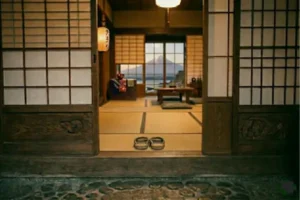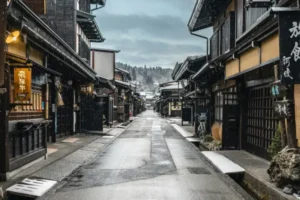
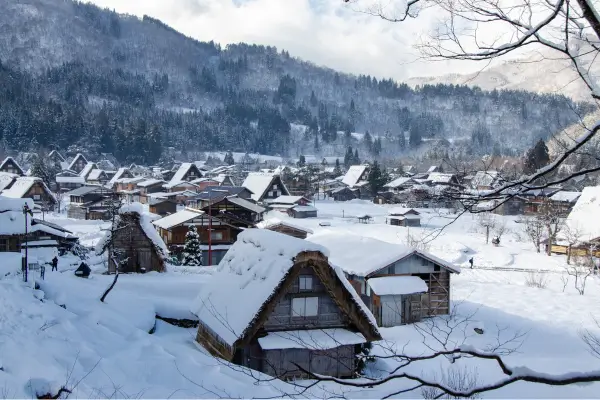
At first glance, Japan’s landscapes appear beautiful.
Towering mountains, quiet forests, winding rivers, dramatic coastlines, and endless rice fields create some of the country’s most memorable scenery.
But beneath this beauty lies something deeper.
Many of Japan’s landscapes are more than natural settings. They are living archives of history, culture, tradition, and human experience. Every valley, village, and coastline has a story to tell for those willing to look beyond the view itself.
Looking Beyond the Scenery
Travelers often admire a landscape for its beauty, but landscapes can also reveal how people have lived, worked, traveled, and adapted to their environment over generations.
In Japan, nature and human life have been closely connected for centuries, creating stories that remain visible in the land itself.
What Landscapes Can Reveal
- Historical events
- Traditional ways of life
- Cultural beliefs
- Local legends
- Regional identities
- Human resilience
The Mountains That Shaped Communities
Mountains cover much of Japan and have played a central role in shaping the country’s history and culture.
They created natural barriers, influenced transportation routes, inspired spiritual traditions, and gave rise to isolated communities with unique identities.
Stories Found in the Mountains
Remote Villages and Self-Sufficient Communities
Sacred Peaks and Spiritual Traditions
Ancient Trails and Historic Routes
Seasonal Life in Mountain Regions
Rivers That Connected People and Places
For centuries, rivers served as lifelines for transportation, agriculture, trade, and settlement.
Many towns and villages grew along waterways that continue to influence local life today.
Stories Hidden Along Japan’s Rivers
Trade and Transportation
Farming Communities
Seasonal Festivals and Rituals
Local Legends and Folklore
The Coastlines That Faced the Sea
Japan’s relationship with the sea has shaped countless communities.
Fishing villages, trading ports, and coastal settlements developed unique cultures influenced by both opportunity and challenge.
Stories Along the Coast
Maritime Traditions
Fishing Communities
Ports That Connected Japan to the World
Life Shaped by the Seasons and the Sea
Fields, Valleys, and the Rhythm of Rural Life
Across the countryside, generations of farmers transformed landscapes into productive and sustainable environments.
Rice terraces, irrigation systems, and agricultural traditions tell stories of adaptation, cooperation, and respect for nature.
What Rural Landscapes Reveal
- Agricultural heritage
- Community cooperation
- Seasonal traditions
- Local food culture
- Generational knowledge
Forests Filled With Myth and Memory
Japanese forests have long inspired spirituality, folklore, and storytelling.
Many are associated with shrines, sacred sites, local legends, and cultural practices that continue to influence communities today.
Stories Hidden Among the Trees
Sacred Forests
Folklore and Legends
Pilgrimage Routes
Traditional Relationships With Nature
How Landscapes Preserve History
Not all historical records are written.
Roads, terraces, villages, shrines, and pathways often preserve traces of earlier generations and the choices they made.
By observing a landscape carefully, travelers can uncover layers of history that remain embedded in the environment.
Historical Clues Found in the Land
- Ancient roads
- Historic settlements
- Agricultural systems
- Religious sites
- Traditional architecture
Why These Stories Matter Today
Understanding the stories behind a landscape transforms the way we travel.
Instead of simply observing scenery, we begin to appreciate the people, traditions, and histories that shaped it.
This deeper perspective creates a stronger connection with place and a richer travel experience.
What Travelers Gain
- Greater cultural understanding
- Deeper appreciation for local history
- Stronger emotional connections
- More meaningful memories
- A broader view of Japan
Learning to Read a Landscape
Every landscape tells a story, but those stories are often subtle.
Travelers who slow down, observe carefully, and remain curious are more likely to notice the details that reveal a place’s hidden character.
Ways to Discover Hidden Stories
- Explore beyond viewpoints
- Visit local museums and cultural centers
- Talk with residents
- Follow historic walking routes
- Learn about regional traditions
Conclusion
Japan’s landscapes are more than beautiful scenery.
They are living narratives shaped by centuries of human experience, cultural traditions, and relationships with nature.
The next time you find yourself looking across a mountain valley, walking through a forest, or standing beside the sea, remember that you may be looking at more than a landscape.
You may be looking at a story that has been unfolding for generations.