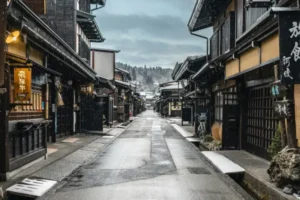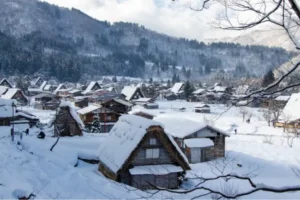
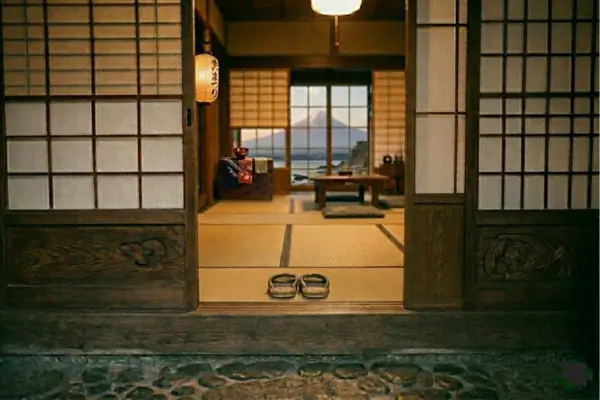
When people think of Japan, a handful of iconic images usually come to mind.
The bright lights of Tokyo. The historic temples of Kyoto. The famous castle of Himeji. The bustling streets of Osaka.
These places have earned their reputation, but they represent only a small part of Japan’s story.
Beyond the country’s most recognizable landmarks lies a rich tapestry of regions, each shaped by its own geography, traditions, history, and way of life. To truly understand Japan, it helps to look beyond the famous sights and explore the stories that make every region unique.
Why Japan Is More Than Its Most Famous Destinations
Japan is often experienced through a collection of iconic locations, yet the country is remarkably diverse.
From snowy northern landscapes to subtropical islands in the south, each region has developed its own identity over centuries.
Understanding Japan means exploring not only its landmarks but also the communities, traditions, and landscapes that give each area its distinct character.
What Shapes a Region’s Identity?
- Geography and climate
- Historical events
- Local traditions
- Regional cuisine
- Cultural influences
- Relationships with nature
Hokkaido: A Story of Wilderness and Wide Open Spaces
Japan’s northernmost region offers a different perspective on the country.
Known for its vast landscapes, seasonal beauty, and strong connection to nature, Hokkaido tells a story shaped by frontier history and environmental richness.
What Defines Hokkaido?
- Expansive natural scenery
- Distinct seasonal experiences
- Outdoor culture
- Agricultural heritage
Tohoku: Resilience, Tradition, and Quiet Beauty
Often overlooked by international visitors, Tohoku reveals a slower and more reflective side of Japan.
Its mountain villages, historic communities, and enduring traditions reflect a region deeply connected to both nature and history.
What Makes Tohoku Unique?
- Preserved cultural traditions
- Rural landscapes
- Seasonal festivals
- Strong local identities
Kanto: Beyond the Energy of Tokyo
While Tokyo dominates perceptions of the region, Kanto contains far more than its capital city.
Historic towns, coastal communities, mountain retreats, and cultural landmarks offer a broader view of the region’s character.
Hidden Sides of Kanto
- Traditional neighborhoods
- Historic pilgrimage routes
- Rural landscapes
- Coastal heritage
Chubu: Mountains, Villages, and Ancient Roads
Located in the heart of Japan, Chubu is a region where geography has shaped culture in profound ways.
Mountain villages, historic post towns, and centuries-old trade routes continue to tell stories of adaptation, community, and tradition.
10What Defines Chubu?
- The Japanese Alps
- Historic travel routes
- Traditional villages
- Regional craftsmanship
Kansai: The Cultural Heart of Japan
Although home to some of Japan’s most famous destinations, Kansai’s true story extends beyond its landmarks.
The region reflects centuries of artistic, religious, and cultural development that continue to influence the nation today.
More Than Kyoto and Osaka
- Historic traditions
- Regional cuisine
- Cultural heritage
- Local communities
Chugoku: Landscapes Shaped by History
Western Honshu offers a fascinating blend of coastal beauty, historic significance, and rural charm.
Its landscapes tell stories of trade, industry, faith, and resilience.
What Makes Chugoku Special?
- Historic port cities
- Rural countryside
- Cultural landmarks
- Diverse natural environments
Shikoku: Pilgrimage, Spirituality, and Simplicity
Japan’s smallest main island offers one of its most distinctive cultural experiences.
Its famous pilgrimage routes and slower pace of life reveal a side of Japan rooted in reflection and tradition.
Themes That Define Shikoku
- Spiritual journeys
- Mountain communities
- Coastal scenery
- Local traditions
Kyushu: A Crossroads of Cultures
Kyushu has long served as one of Japan’s gateways to the outside world.
Its history of trade, cultural exchange, and volcanic landscapes has created a uniquely diverse regional identity.
What Sets Kyushu Apart?
- Volcanic geography
- International influences
- Distinct food culture
- Historic trading heritage
Okinawa: A Story Unlike Anywhere Else in Japan
Okinawa’s culture, history, and environment differ significantly from those of the Japanese mainland.
Its unique identity offers valuable insights into the diversity that exists within Japan itself.
What Makes Okinawa Different?
- Island traditions
- Distinct cultural heritage
- Subtropical landscapes
- Unique historical experiences
Why the Most Meaningful Stories Are Often Found Beyond Landmarks
Landmarks help introduce travelers to a place, but they rarely tell the whole story.
The deeper narratives of a region are often found in local traditions, everyday life, community celebrations, and landscapes shaped by generations.
Places Where Stories Live
- Local neighborhoods
- Rural communities
- Traditional markets
- Historic streets
- Regional festivals
Traveling Through Japan One Story at a Time
Rather than viewing Japan as a collection of attractions, travelers can approach it as a collection of stories.
Each region offers a different perspective on the country’s history, culture, and values.
This mindset transforms travel from sightseeing into discovery.
How to Explore More Deeply
- Spend more time in fewer places
- Explore beyond major cities
- Learn about local history
- Follow regional traditions
- Stay curious about everyday life
Conclusion
Japan’s famous landmarks deserve their place on every traveler’s list.
But the country’s true richness lies in the countless stories found beyond those iconic locations.
From the wilderness of Hokkaido to the islands of Okinawa, every region has a story waiting to be discovered—and each one reveals a different side of Japan.