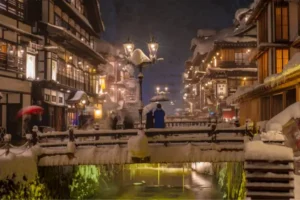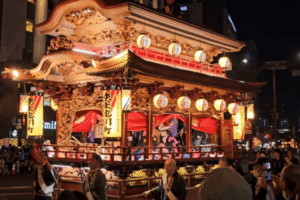
- Introduce autumn as one of Japan’s most beautiful seasons.
- Explain why rural villages offer a more authentic autumn experience than famous tourist hotspots.
- Preview the unique traditions, landscapes, and local culture readers will discover.
Why Autumn Feels Different in Rural Japan
The Seasonal Transformation of the Countryside
- Mountains, forests, and rice fields changing color.
- The gradual shift from green to vibrant reds, oranges, and golds.
- How nature shapes daily life in rural communities.
The Cultural Significance of Autumn
- Appreciation of seasonal beauty.
- Connection between harvest season and local traditions.
- The Japanese practice of observing nature’s changes.
Villages Where Autumn Colors Become the Main Attraction
Mountain Communities Surrounded by Autumn Forests
- Scenic villages nestled among colorful hills.
- Panoramic viewpoints and peaceful walking routes.
- The appeal of visiting lesser-known destinations.
Historic Villages Framed by Seasonal Landscapes
- Traditional architecture enhanced by autumn foliage.
- Old streets, wooden houses, and cultural heritage.
- The atmosphere created by seasonal colors.
The Harvest Season and Community Celebrations
Autumn Festivals Rooted in Tradition
- Local celebrations marking the harvest season.
- Community gatherings and cultural performances.
- The importance of gratitude and seasonal cycles.
10Rural Markets and Seasonal Events
- Farmers showcasing local produce.
- Handmade goods and regional specialties.
- Opportunities to experience village life firsthand.
Seasonal Foods That Define Autumn in Rural Japan
Harvest Ingredients and Regional Specialties
- Rice, mushrooms, chestnuts, and seasonal vegetables.
- Local recipes passed down through generations.
- The relationship between food and the changing season.
Traditional Autumn Dining Experiences
- Family gatherings and community meals.
- Seasonal dishes unique to specific regions.
- The role of food in preserving local identity.
Experiencing Autumn Through Slow Travel
Scenic Walks Through Colorful Landscapes
- Quiet countryside roads and forest trails.
- River valleys and mountain paths covered in autumn colors.
- The benefits of exploring at a slower pace.
Staying in Traditional Rural Accommodations
- Local guesthouses and family-run inns.
- Opportunities to connect with residents.
- Immersive cultural experiences beyond sightseeing.
How Local Traditions Reflect the Changing Season
Seasonal Rituals and Community Customs
- Ceremonies linked to harvest and nature.
- Shrine and temple events during autumn.
- Preserving traditions in modern times.
Passing Seasonal Knowledge Between Generations
- Local stories and folklore connected to autumn.
- Community efforts to maintain cultural heritage.
- The importance of preserving rural identity.
Hidden Autumn Experiences Beyond the Popular Destinations
Lesser-Known Places for Autumn Viewing
- Quiet valleys, riversides, and mountain villages.
- Alternatives to crowded autumn foliage spots.
- Discovering the beauty of Japan’s hidden countryside.
Everyday Life During the Autumn Season
- Agricultural activities and village routines.
- Seasonal preparations for the coming winter.
- Observing authentic rural life.
Why Rural Japan Offers a Deeper Autumn Experience
Connecting With Nature and Community
- Experiencing seasonal beauty without large crowds.
- Building a greater appreciation for local culture.
- The emotional impact of rural landscapes.
Supporting Sustainable Rural Tourism
- Benefits for local communities.
- Encouraging responsible travel choices.
- Helping preserve traditions for future generations.
Conclusion
Discovering the True Colors of Rural Japan
- Summarize the unique appeal of autumn villages.
- Highlight the blend of nature, culture, and tradition.
- Encourage readers to explore beyond Japan’s famous autumn destinations.